

A Kigali city tour is a good way to understand Rwanda before you head to the parks, and it fits neatly into a free afternoon between meetings. In one day you can visit the Kigali Genocide Memorial in Gisozi, see the city's history at Kandt House, walk a craft market and finish at an art space, all within a short drive of the centre. We help you plan the route and connect you with RDB-licensed guides and drivers who know the city.
Kigali Safaris does not run tours itself. We shape the plan with you and introduce licensed operators, who quote and confirm directly.
The Kigali Genocide Memorial
Most city tours begin here. The memorial is in Gisozi, about ten minutes' drive from the city centre, and is the final resting place of 250,000 victims of the Genocide against the Tutsi. The exhibitions explain what happened in 1994, how it was planned and how Rwanda has rebuilt. Many staff guides are survivors.
Practical details from the memorial, as of October 2026:
- Opening hours: 9am to 5pm daily, last entry 4pm.
- Umuganda Saturday (last Saturday of the month): open 1pm to 5pm only.
- Closed: Christmas Day, New Year's Day and normally the morning of 7 April, the start of Kwibuka.
- Entry: free. The optional Ubumuntu package (audio guide, a rose, a pin and cafe Wi-Fi) is US$30 for international visitors.
- Guided tours: staff guides from US$200 for one to five people, or a daily mixed-group tour at 9.30am.
- Time needed: at least an hour and a half.
- Age: children under 12 are not permitted.
A few points of etiquette help the visit go well. Dress modestly, keep your voice low in the exhibitions and gardens, and do not step on the mass graves. Eating and drinking are only allowed at the memorial cafe. Much of the site is wheelchair accessible, although the memorial notes that the permanent exhibitions are currently reached by stairs, so mention any mobility needs when you book. Groups larger than 15 should book a guided tour at least a week ahead.
Parking is free. If you want to reflect further, Visit Rwanda lists other memorials outside the city, including Nyamata and Ntarama, which work as a half-day trip. Our day trips from Kigali guide covers them.
Museums and history in Kigali
Kandt House Museum is named after Richard Kandt, who Visit Rwanda describes as the first colonial governor of Rwanda on behalf of Germany. Its three parts cover Rwandan life before colonial rule, the German and Belgian colonial period, and the story of Kigali, which became the capital at independence in 1962. It is open daily from 8am to 6pm, closed on 7 April and from 11am to 6pm on Umuganda days.
Rwanda Art Museum, formerly the Presidential Palace Museum near the airport in Kanombe, shows contemporary art from Rwanda and abroad. Debris from the presidential plane shot down on 6 April 1994 remains in the garden as a heritage site. Opening hours match Kandt House: 8am to 6pm daily, with the same closures.
Markets, crafts and art spaces
Visit Rwanda's own sample itinerary suggests a Kigali day of the Genocide Memorial, the Inema arts centre and local markets, and that combination works well for most visitors.
- Inema Arts Center in Kacyiru shows work by Rwandan painters and sculptors.
- Kigali Cultural Village hosts artisans and food vendors, and runs events, workshops and music.
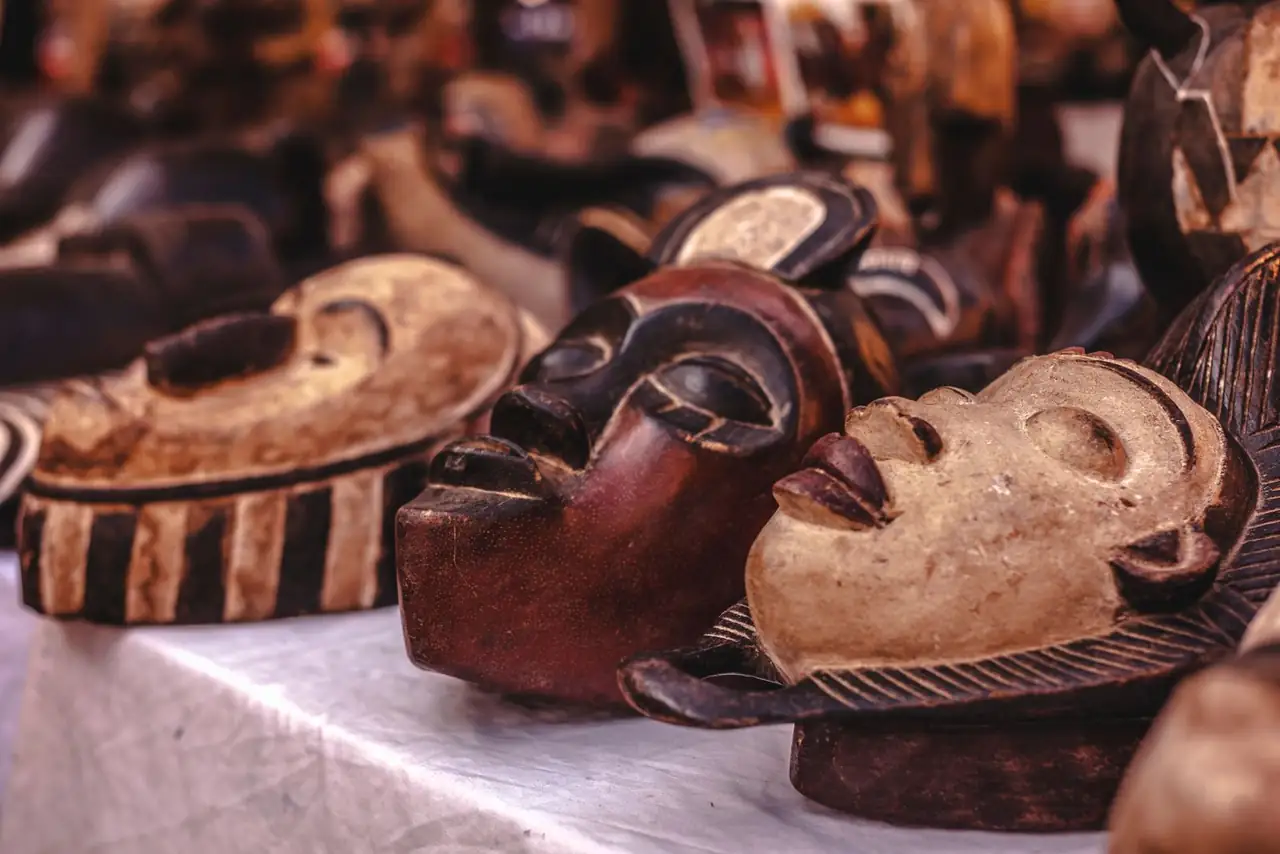
- Markets such as Kimironko sell fabric, baskets and produce. Bring Rwandan francs in small notes.
- Nyamirambo, one of Kigali's oldest neighbourhoods, is lively for a walk and a meal.
Remember that plastic bags are banned in Rwanda, so carry a cloth bag for shopping.
Sample routes
| Time available | Suggested route |
|---|---|
| 3 to 4 hours | Kigali Genocide Memorial, then a coffee and a short drive past the city centre |
| Half day plus | Memorial in the morning, Kandt House Museum, lunch, a craft market |
| Full day | Memorial, Kandt House, lunch in Nyamirambo, Inema Arts Center, sunset view over the hills |
| Full day east | Rwanda Art Museum in Kanombe, then Nyamata and Ntarama memorials |
| Conference break | Two-hour memorial visit with driver waiting, back to the Kigali Convention Centre |
These are planning shapes, not packages. Contact us for a current quote for any route.
Guide, driver or both?
You can explore Kigali alone: the city is compact and taxis operate. But a licensed guide adds context you will not get from signs, and a driver saves time linking Gisozi, Kacyiru and Kanombe. Common choices:
- Driver only, with staff guides inside the memorial.
- Driver guide, who drives and explains the city.
- Walking guide for neighbourhoods such as Nyamirambo.
RDB licenses tour guides as well as tour operators, and its tourism regulation portal lists licensed entities. Ask for the guide's licence before you agree a price.
Combining a city tour with the parks
Many visitors spend their first or last day in Kigali. Arriving early? A city tour the day you land helps with jet lag before a 3am start for gorilla trekking. Leaving on an evening flight? The Rwanda Art Museum in Kanombe is close to the airport. Residents and conference visitors often add an Akagera safari as a long day out. Our Rwanda safari cost guide shows how a city day fits a longer budget.
Plan your Kigali city tour
Tell us your hotel or neighbourhood, the date and how many hours you have. We will suggest a route that avoids Umuganda closures and connect you with RDB-licensed guides and drivers. Use the form to get started.
Frequently asked questions
How long does a Kigali city tour take?
Most visitors plan a half day or a full day. The Kigali Genocide Memorial alone deserves at least an hour and a half, according to the memorial. Add Kandt House Museum, a market and an art space and a full day passes quickly. Tell us your hours and we will suggest a realistic route.
Is the Kigali Genocide Memorial free?
Yes. Entry is free. As of October 2026 the memorial offers an optional Ubumuntu package with an audio guide, a rose to lay at the graves and a pin, priced at US$30 for international visitors, and staff-guided tours from US$200 for one to five people. A mixed-group guided tour starts daily at 9.30am.
Can children visit the Kigali Genocide Memorial?
The memorial states that children under 12 are not permitted to visit. Older children should be prepared for difficult content. Families with younger children can split the day, with one adult visiting the memorial while others go to Kigali Cultural Village or a museum.
What should I wear to the memorial?
The memorial asks visitors to dress and behave respectfully, as it is the final resting place of 250,000 victims of the Genocide against the Tutsi. Modest clothing is appropriate. Do not walk on the mass graves, and eat or drink only at the memorial cafe.
Are sites open on Umuganda Saturday?
Umuganda community work happens on the last Saturday of each month. The Kigali Genocide Memorial opens from 1pm to 5pm that day, and national museums such as Kandt House close from 11am to 6pm. Plan city tours for another day if you can.
How much does a guided Kigali city tour cost?
Entry to the memorial is free and museum fees are modest, but guide and vehicle rates vary by operator, hours and group size. We do not publish a fixed price. Contact us for a current quote and we will ask licensed operators and drivers to quote for your exact route.
Can I take public transport between sites?
You can. Kigali buses use the Tap&Go smart card, and the memorial says the nearest bus stop is at Kinamba on KN 8 Avenue, about half a mile away. Most visitors on a tight schedule hire a car with driver, which is simpler for linking several sites.