

Lake Kivu is where Rwanda slows down. After gorilla treks, safaris and busy days in Kigali, the lake offers deep green water, quiet beaches, island boat trips and fishermen singing as they paddle out at dusk. Kigali Safaris helps you plan Lake Kivu tours from Kigali, choose between Rubavu and Karongi, and connects you with RDB-licensed tour operators and drivers. We are not a tour operator and do not sell fixed packages: we help you shape the trip and introduce you to licensed providers.
Lake Kivu sits in the Great Rift Valley on Rwanda's western border with the Democratic Republic of Congo. It covers about 2,700 square kilometres, making it Rwanda's largest lake and the sixth largest in Africa. The Rwandan shore stretches from Rubavu in the north, through Karongi, to Rusizi in the south.
Where to go on Lake Kivu
| Base | What it is like | Good for |
|---|---|---|
| Rubavu (formerly Gisenyi) | Larger town, palm-lined avenues, old colonial villas, lakeside hotels and bars | Combining with gorillas, nightlife, start of the Congo Nile Trail |
| Karongi | Quieter resort halfway along the lake, pine and eucalyptus hills, beaches | A slow break, kayaking, island visits |
| Rusizi | Southern end of the lake, near Nyungwe | Combining with chimpanzees and the canopy walk |
Rubavu is about an hour from Volcanoes National Park, so it fits neatly after gorilla trekking. Its waterfront is lined with old mansions, hotels and bars that suit a sundowner. Karongi is calmer, and at dawn and dusk you can hear local fishermen singing as they paddle in unison.
Things to do on Lake Kivu
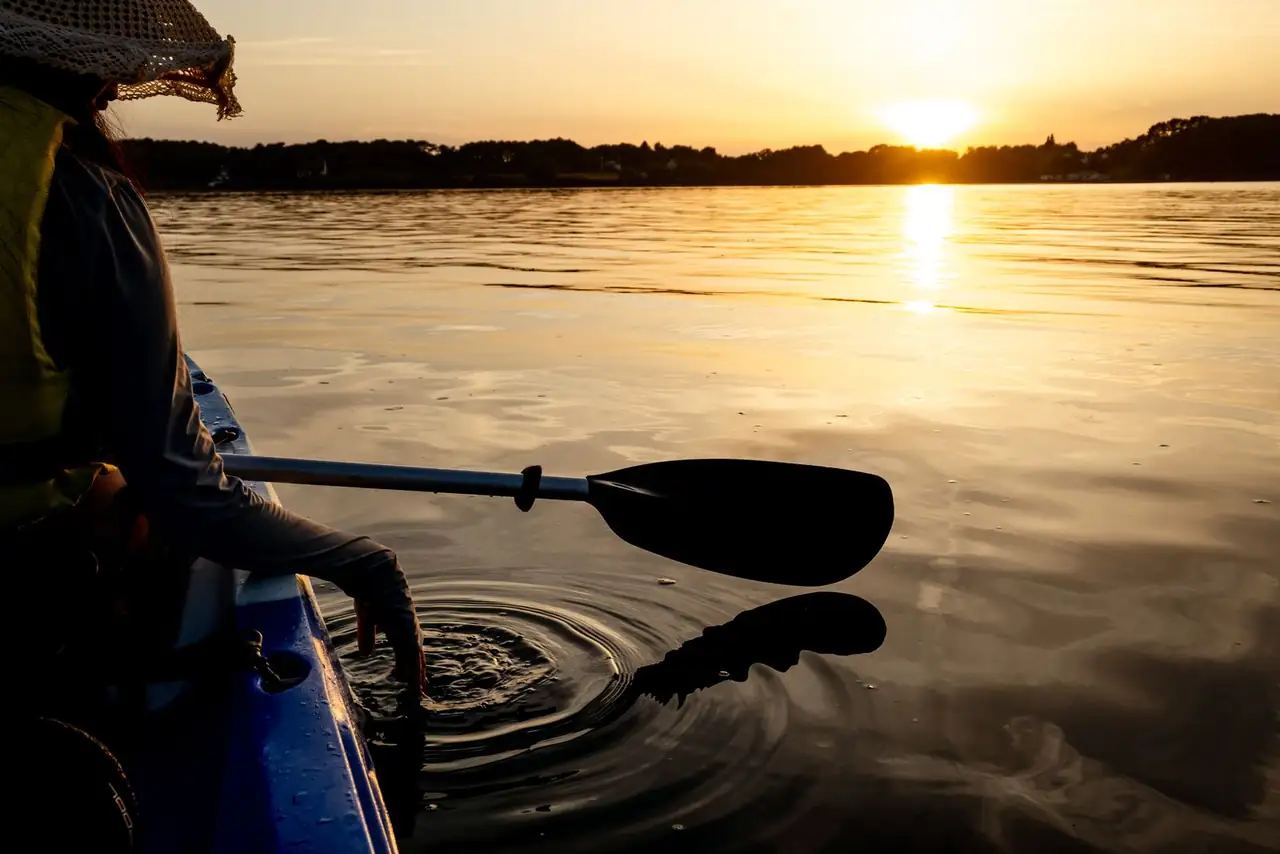
- Kayaking and paddleboarding: Visit Rwanda notes that the lake has no hippos or crocodiles, and water temperatures stay between 23 and 27 degrees Celsius. Trips range from a couple of hours to two or three days.
- Sunset paddle with the fishermen: one of the most memorable things to do on the lake.
- Coffee islands: some multi-day kayak trips stay overnight on a coffee plantation.
- Boat trips: hire a boat to visit small islands and coves.
- Swimming and beach time: at hotel beaches in Rubavu and Karongi.
- Hiking and cycling the Congo Nile Trail: walk or ride one stage, or several.
- Canoeing on the Mukungwa River: near the Virunga foothills, an area rich in birds.
Kayaking companies such as Kingfisher Journeys run trips almost every day, and booking ahead is wise. Activity prices are set by each provider, so contact us for a current quote.
The Congo Nile Trail
The Congo Nile Trail runs about 227 km from Rubavu to Rusizi along the eastern shore of Lake Kivu. Visit Rwanda puts it at about five days by bicycle and ten days on foot, with a peak elevation of 2,630 metres. You do not have to do it all: single stages make an excellent one day or two day outing.
Along the trail you pass coffee washing stations, tea plantations, villages, beaches and waterfalls. There are campsites along the route and guesthouses in towns, and small shops sell drinks and snacks. It is a real workout on steep hills, so match the stage to your fitness. A licensed operator can arrange bikes, a guide and luggage transfers between stops.
Combining Lake Kivu with gorillas or Nyungwe
Most visitors add Lake Kivu to a wider Rwanda trip rather than visiting on its own. Two common routes:
- Gorillas and the lake (4 to 5 days): drive from Kigali to Musanze, trek gorillas in Volcanoes National Park, then spend one or two nights in Rubavu before returning to Kigali.
- Nyungwe to the lake (5 to 7 days): drive from Kigali to Nyungwe National Park for chimps and the canopy walk, travel north along the lake (about three hours from Nyungwe to the lakeshore, per Visit Rwanda), stop in Karongi, then continue to Rubavu and the gorillas.
For a full nine day loop including Akagera, see our Rwanda safari cost guide, which explains how park fees, transport and lodging add up.
Getting there and getting around
Rwanda has a good surfaced road network between major towns, and Visit Rwanda notes that a car is the most convenient way to travel. Smaller roads near the lake can be unsurfaced and slow in rainy season. Most visitors use a vehicle with a driver from a licensed operator. Shared minibuses also run between towns, though they are slower with luggage.
Taxis operate in Rubavu, and motorbike taxis are common, but travel insurance may not cover motorbike rides. Transport prices depend on vehicle and number of days, so contact us for a current quote.
When to visit Lake Kivu
The lake is pleasant all year. The dry season from June to mid-September brings easier roads and clearer views. The rainy seasons, from mid-February to May and mid-September to mid-December, bring greener hills and more showers, so keep some flexibility in your boat and kayak plans.
How to check your operator is licensed
Tour operators, tour guides and travel agents in Rwanda need a tourism operating licence from the Rwanda Development Board. RDB publishes a public database of licensed and graded tourism entities on its tourism regulation portal, so you can look up any company before you pay a deposit. Every provider we introduce you to should appear there.
Practical checklist
- Swimwear, sunscreen, hat and sunglasses
- Clothes you do not mind getting wet for kayaking
- Light rain jacket
- Reusable bags and bottle: plastic bags are banned in Rwanda since 2008
- Rwandan francs for small purchases and tips
- Insect repellent, as malaria is present in Rwanda
Plan your Lake Kivu trip
Tell us your travel dates, number of travellers and budget in the form on this page, and whether you want to combine the lake with gorillas, Nyungwe or a day in Kigali. We will reply with options from RDB-licensed operators and drivers so you can compare and choose.
Frequently asked questions
How big is Lake Kivu?
Lake Kivu covers about 2,700 square kilometres on Rwanda's western border with the Democratic Republic of Congo. Visit Rwanda describes it as the country's largest lake and the sixth largest in Africa. It lies in the Great Rift Valley, surrounded by steep green hills.
Is it safe to swim or kayak in Lake Kivu?
Visit Rwanda notes there are no hippos or crocodiles in Lake Kivu, which makes paddling safe, and the water stays between 23 and 27 degrees Celsius all year. Swim at hotel beaches or known spots, follow local advice and wear a life jacket on the water.
Which is better, Rubavu or Karongi?
Rubavu, formerly Gisenyi, is a larger town in the north with a lively waterfront and is about an hour from Volcanoes National Park. Karongi, halfway down the lake, is quieter, with pine-covered hills and beaches. Choose Rubavu for gorilla trips, Karongi for a slower lake break.
How long is the Congo Nile Trail?
The Congo Nile Trail runs about 227 km from Rubavu in the north to Rusizi in the south, along the eastern shore of Lake Kivu. Visit Rwanda says it takes about five days by bicycle and ten on foot, but you can walk or ride a single stage.
Can I combine Lake Kivu with gorilla trekking?
Yes, and it is a natural pairing. Rubavu is about an hour from Volcanoes National Park, so many visitors trek gorillas and then rest by the lake for a night or two. You need your gorilla permit booked well in advance, especially in the dry season.
Can I visit Lake Kivu as a day trip from Kigali?
It is possible but tiring, as most of the day goes on the road. Most visitors spend at least one night in Rubavu or Karongi. If you only have a day, a trip to Akagera or a Kigali city tour may give you more time doing things.
How much does a Lake Kivu tour cost?
Costs depend on transport, number of nights, lodging and activities such as kayaking or boat trips, which are run by private providers with their own prices. We do not quote fixed packages, so contact us for a current quote from RDB-licensed operators and drivers.